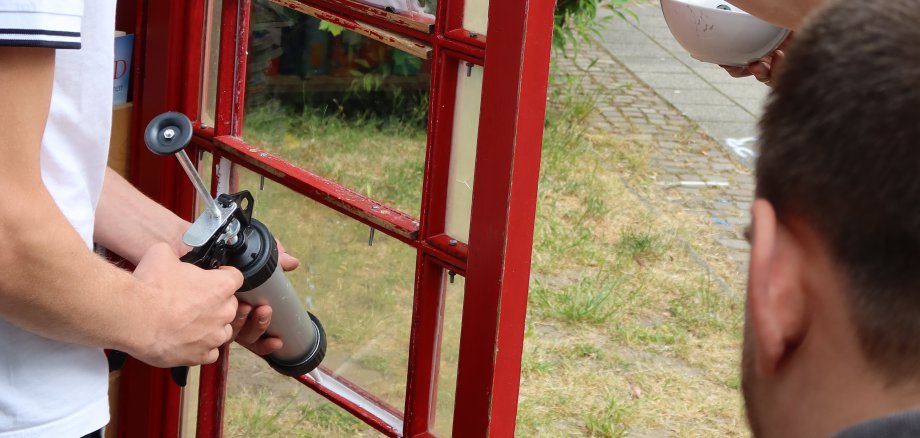
Demand for skilled workers in the labour market is high, and many apprenticeship places remain unfilled. Nevertheless, many school leavers have not yet found suitable prospects for the future and are unsure exactly which career path is right for them. Right now, during the summer holidays, some young people are asking themselves these very questions. Should they start an apprenticeship? Go on to gain a higher-level school qualification? Complete a voluntary social year? Together with the project coordinators, they can find answers to precisely these questions through the town of Rodgau’s “Rodgau 16plus” skills development project. There are still places available, and interested young people can receive advice with no obligation. “Rodgau 16plus” is aimed at young people who are at a crossroads between school and work and who would like to gain a better understanding of their skills and explore their career options. The project offers a range of placement opportunities in the fields of skilled trades, nursery care, administration and care work. Simply getting in touch is all it takes to arrange an information session. Young people who live in the Offenbach district, have completed their compulsory schooling and are at least 16 years old are eligible to take part. The practical placements take place in various municipal facilities, and job application training is held once a week. Here, participants prepare compelling application documents and practise for job interviews to ensure they are fully prepared for the start of their careers. An allowance is paid for taking part in the project, and the cost of the Hesse-wide student travel pass is covered. Anyone interested should not hesitate to get in touch; ideally, they should send their CV and school leaving certificate to 16plus@rodgau.de. The team will be happy to answer any questions on 06106 693-1236 or -1264; further information can also be found on the town’s website at www.rodgau.de. The project is funded by the European Union and the State of Hesse.